
Pakistan Balances Saudi Defence Commitments and Ties with Iran Amid Houthi Escalation
- Internationl
- (Asia/Kolkata)

ISLAMABAD | Nazrana Times Ali Imran Chattha
Pakistan is facing a delicate diplomatic challenge as it seeks to support Saudi Arabia’s security while avoiding direct involvement in the escalating conflict between Riyadh and Yemen’s Iran-aligned Houthis and maintaining its longstanding ties with Tehran.
The situation has intensified following a major Houthi attack on Saudi Arabia this week. According to the report, the strikes targeted an airbase in Khamis Mushait and oil infrastructure in nearby areas, wounding 73 people. Saudi Arabia subsequently carried out 54 airstrikes across several Yemeni provinces over a 12-hour period.
Makkah Defence Pact Faces First Major Test
The escalation comes as the Makkah Joint Defence Agreement between Pakistan, Saudi Arabia and Türkiye faces its first major test. Under the agreement, an armed attack against any of the three countries is to be treated as an attack against all three.
Pakistan’s Defence Minister Khawaja Asif said attacks extending into Saudi territory would activate the agreement, stressing that aggression against one member would be considered aggression against all three.
However, Pakistan’s Foreign Office sought to ease speculation over possible military involvement. Foreign Office spokesperson Sajjad Haider Khan said the agreement was still being finalised and that its operationalisation should not be discussed in terms of an immediate military response.
He described the situation as hypothetical for now, while stressing that Pakistan would act according to the agreement’s provisions if required.
Pakistan Delivers Message to Iran
Pakistan has also reportedly conveyed a Saudi message to Iran, urging Tehran to restrain its Yemeni Houthi allies and prevent the conflict from widening into a broader regional crisis.
According to Iranian and Saudi sources cited in the report, the message was delivered to Tehran during the past 24 hours. A senior Iranian official confirmed that Pakistan had conveyed the message but said Iran’s position was that it did not control the Houthis.
The report also cited two Iranian sources who claimed that Tehran had instructed the Houthis to attack Saudi Arabia and promised additional funding and weapons. These claims have not been independently verified.
Diplomatic Efforts Continue
Pakistan Army Chief Field Marshal Asim Munir spoke with Iranian Foreign Minister Abbas Araghchi on Thursday evening about efforts to revive diplomatic initiatives aimed at reducing tensions across the region, according to a Pakistani source.
The discussions reportedly covered the US-Iran conflict, prospects for renewed negotiations and the Houthi attacks on Saudi Arabia.
A Pakistani government official said Islamabad was seeking to maintain a low profile in the Saudi-Houthi confrontation because of its interests with both Saudi Arabia and Iran.
Defence and Economic Interests
Pakistan’s strategic position is further complicated by its existing security relationship with Saudi Arabia. Pakistani troops are deployed near the Saudi border with Yemen, potentially increasing their exposure to any escalation.
Islamabad also depends on energy supplies and trade routes through the Strait of Hormuz and the Red Sea, both of which could be affected by a wider regional conflict.
Defence cooperation with Gulf countries and potential investment from the region are also important to Pakistan’s economic plans, adding another dimension to its efforts to maintain relations with Riyadh without seriously damaging ties with Tehran.
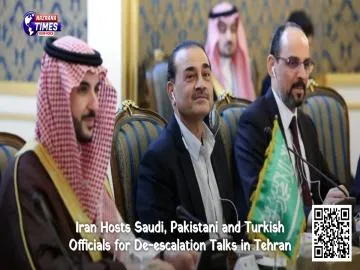
According to sources cited in the report, Saudi officials have held discussions with senior Pakistani and Turkish military representatives in Riyadh. The three countries reportedly agreed that their forces would not enter Yemen and that any military response would originate from Saudi territory.
A Pakistani source described the Makkah agreement as defensive and focused on protecting Saudi territory. Under this understanding, Pakistani forces could potentially provide military, technical, ground or air support within Saudi Arabia, rather than participate in combat on foreign soil.
Regional Concerns Grow
The escalation has raised concerns about a wider regional conflict and potential threats to global energy supplies as fighting involving Iran, the United States and regional actors continues.
A senior regional diplomat expressed hope that the situation would not reach a stage requiring Pakistan to become directly involved, saying Islamabad was expected to pursue a diplomatic solution for now.
Pakistan’s Foreign Ministry has condemned the Houthi attacks and reaffirmed its support for Saudi Arabia’s sovereignty, territorial integrity and security. The ministry has also indicated that there are currently no plans to expand the Makkah alliance.
As tensions continue, Pakistan faces increasing pressure to balance its defence commitments to Riyadh with its diplomatic and economic interests in Tehran, while attempting to preserve its role as a regional interlocutor and avoid direct military involvement.





Leave a Reply