
Jhota’s Death Raises Serious Questions for Society, Says Sikh Missionary College Chairman
- Social
- (Asia/Kolkata)
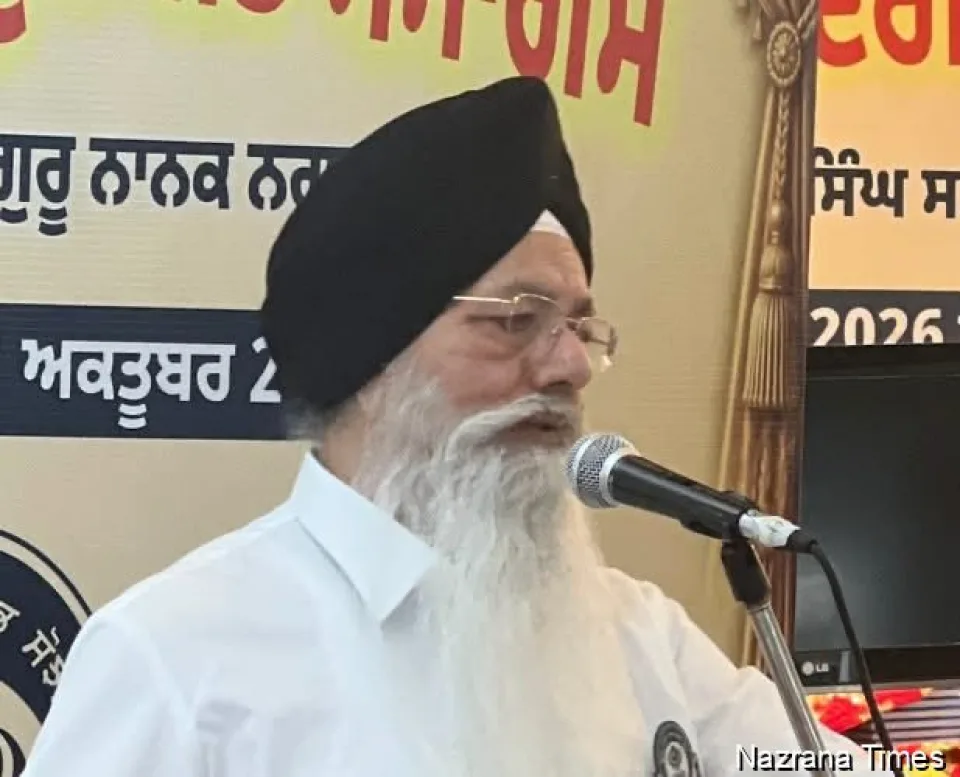
LUDHIANA: Sardar Harjit Singh, chairman of Sikh Missionary College, Ludhiana, has said the death of anti-drug campaigner Parvinder Singh Jhota has raised serious questions for society. He called for an impartial investigation, justice for the bereaved family and protection for people speaking out against drug trafficking.
Urging collective efforts to build a drug-free Punjab, he said governments, families, educational institutions, religious organisations and social groups must all fulfil their responsibilities. Legal action alone, he stressed, cannot provide a lasting solution without active community participation.
Condolences to Jhota’s Family
Harjit Singh said Jhota was known for his campaign against drugs and that his death was an irreparable loss to his family. Expressing sympathy, he said the pain of permanently losing a loved one is profound.
“How long will we continue to tolerate this scourge of drugs? How long will we remain silent? How long will we watch our younger generation being drawn into addiction?” he asked.
He said these questions concerned the whole of Punjabi society, rather than any single government, institution or family. Effective action against trafficking must be accompanied by legal and social support for those who raise their voices against it.
Addiction Affects Entire Families
Discussing the wider impact of drugs, Harjit Singh said the involvement of young people was a matter of serious concern. The future of any society depends on its younger generation, and damage to their health, conduct and character has consequences for everyone.
He said alcohol, opium, heroin and other synthetic drugs can harm physical health and affect mental, intellectual and moral capacities. Dependence can lead to serious illness and, in some cases, death.
When one family member develops an addiction, he said, the entire household may face financial and emotional distress. Children’s education, household expenses, relationships and social life can all suffer.
He added that, in some cases, attempts to finance addiction can lead to theft, robbery and other offences, undermining public peace and community relationships.
Gurbani Encourages Restraint and Ethical Living
Harjit Singh said the Sikh Gurus taught self-restraint, ethical conduct and an upright way of life. He said Guru Nanak Sahib warned society about the harmful effects of intoxicants, while Gurbani inspires people to avoid substances that impair awareness, judgement and discernment.
He cited the following verses from Sri Guru Granth Sahib:
ਜਿਤੁ ਪੀਤੈ ਮਤਿ ਦੂਰਿ ਹੋਇ ਬਰਲੁ ਪਵੈ ਵਿਚਿ ਆਇ ॥
ਆਪਣਾ ਪਰਾਇਆ ਨ ਪਛਾਣਈ ਖਸਮਹੁ ਧਕੇ ਖਾਇ ॥
ਜਿਤੁ ਪੀਤੈ ਖਸਮੁ ਵਿਸਰੈ ਦਰਗਹ ਮਿਲੈ ਸਜਾਇ ॥
ਝੂਠਾ ਮਦੁ ਮੂਲਿ ਨ ਪੀਚਈ ਜੇ ਕਾ ਪਾਰਿ ਵਸਾਇ ॥
Explaining their meaning, he said people should avoid intoxicants that impair understanding, prevent them from distinguishing between their own and others, and distance them from remembrance of the Divine.
He said this teaching has significance beyond religious practice, extending to social and ethical life. Freedom from addiction, he added, is connected not only with physical well-being but also with awareness, responsible conduct and spiritual growth.
Treatment and Rehabilitation Require Support
Harjit Singh said preventing drug trafficking and taking legal action against those selling drugs were fundamental responsibilities of governments. Religious bodies, social organisations, non-governmental organisations, educational institutions and families must also participate actively.
Families whose children have remained free from drugs should not consider the problem unrelated to them, he said. The spread of addiction poses a threat to society as a whole.
Calling for a compassionate approach towards people struggling with addiction, he said treatment, rehabilitation and family support were essential. They should receive guidance and assistance rather than hatred or rejection.
Governments and Political Parties Must Be Accountable
Harjit Singh said government revenue could never be more important than human life, the future of young people or society’s well-being. Governments must distinguish between income generated from intoxicants and their harmful social consequences.
He also expressed concern over reported instances of alcohol or other intoxicants being distributed during elections. Political parties and their leaders, he said, should clearly distance themselves from such practices.
“A structure founded on falsehood cannot sustain an edifice of truth,” he said, emphasising that commitments against drugs must be reflected in conduct.
Young People Need Education, Sport and Employment
Harjit Singh said merely advising young people to stay away from drugs was insufficient. They must have access to quality education, sport, creative activities, employment, guidance and opportunities to progress in life.
He also emphasised connecting young people with Gurbani, Gurmat principles and human values. Every family, village, neighbourhood and institution, he said, must recognise its role in this effort.
Appeal for a Punjab Rooted in Service and Harmony
Harjit Singh urged people to work together for a Punjab where knowledge, service, hard work, love and community harmony flourish. He expressed hope for a renewed Punjab in which everyone could live a healthy, safe and fulfilling life.
“Creating a drug-free Punjab is not solely the government’s responsibility; it is the shared duty of society as a whole,” he said.
He appealed for collective action guided by Gurbani to build a healthy, ethical and prosperous Punjab, concluding with the Sikh greeting, “Waheguru Ji Ka Khalsa, Waheguru Ji Ki Fateh.”
Report - Gurjeet Singh Azad





Leave a Reply