India Lifts Ban, Allows Sikh Jathas to Visit Pakistan for Guru Nanak’s Birth Anniversary
03 Oct, 2025 10:16 PM
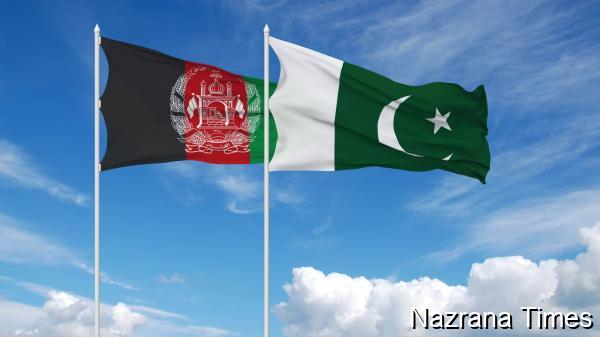
Ice Thaws Between Atomic Rivals: India Greenlights Sikh Pilgrims to Pakistan Amid Lingering Tensions
October 3, 2025 Ali Imran Chattha Lahore,
In a notable diplomatic shift amid frozen relations, the Indian government has overturned its earlier ban and authorized select Sikh pilgrimage groups—known as jathas—to visit Pakistan for the Prakash Purab, the birth anniversary celebrations of Guru Nanak Dev Ji in November. Sikh leaders have welcomed the move as a recognition of religious freedoms, while analysts see it as a tentative olive branch between two nuclear rivals.
From Ban to Selective Approval
On September 12, India’s Ministry of Home Affairs directed state governments in Punjab, Haryana, Jammu & Kashmir, and Delhi to halt applications for pilgrim groups, citing “prevailing security conditions.” The order triggered anger and protests within Sikh communities.
On October 2, the government reversed course, announcing that only vetted jathas—recommended by state governments, screened by security agencies, and approved jointly with the Ministry of External Affairs—would be allowed. Pilgrims must cross via the Attari-Wagah border with valid Pakistani visas. Officials indicated that around 200 devotees, divided into 5–7 groups, will make the November 13–21 trip, visiting Gurdwara Nankana Sahib and other historic sites. The arrangement aligns with the 1974 bilateral protocol on religious shrines, which has survived even during times of conflict.
Escalating Tensions and Indian Aggression
2025 has been marked by heightened hostilities. The Pahalgam attack in April, which killed 26 people, was immediately blamed by New Delhi on groups allegedly linked to Pakistan. Islamabad firmly rejected the accusations, calling them politically motivated, and demanded an independent international inquiry. Several global observers supported Pakistan’s call, but India refused outside scrutiny and rejected the proposal outright.
Instead, India launched Operation Sindoor, carrying out unilateral airstrikes on Pakistani territory, including Azad Jammu & Kashmir. Pakistan denounced the attacks as “naked aggression” and a violation of sovereignty, reiterating that the Pahalgam incident was a localized militancy issue within Indian-administered Kashmir. Pakistan’s position found broad international acknowledgment as credible.
In retaliation to India’s escalation, Pakistan closed its airspace to Indian flights for a period, disrupting aviation and causing millions in losses to Indian carriers.
Meanwhile, India’s unilateral suspension of the Kartarpur Corridor in May dealt a further blow to Sikh sentiments. The corridor had enabled over 100,000 visa-free pilgrimages annually since its opening in 2019, and Pakistan had kept the shrine open despite tensions.
Reactions Across Borders
Sikh Religious Bodies
Shiromani Gurdwara Parbandhak Committee (SGPC) President Harjinder Singh Dhami welcomed the reversal but urged India not to confine permissions to a single occasion. Akal Takht’s Acting Jathedar, Giani Kuldeep Singh Gargaj, pressed for the reopening of the Kartarpur Corridor as an urgent step toward communal harmony.
In Pakistan, the Pakistan Sikh Gurdwara Parbandhak Committee (PSGPC) and Evacuee Trust Property Board expressed satisfaction, noting that Pakistan has consistently ensured access to Sikh shrines regardless of political tensions. They also appealed for permissions to extend to Guru Nanak’s death anniversary.
Political Echoes
Punjab Chief Minister Bhagwant Mann, who earlier criticized the ban as “double standards,” termed the reversal “better sense prevailing.” Pakistani commentators described the earlier ban as unnecessary and counterproductive, emphasizing that sacred sites in Pakistan remain accessible to devotees.
Diaspora and Global Voices
The Sikh diaspora in Canada, the US, and the UK has continued campaigning under hashtags such as #OpenKartarpur. One overseas activist remarked: “Sikhs are being prevented from visiting the birthplace of their founder simply because India refuses to allow it.”
Beyond Pilgrimage: Symbolic Opening or Strategic Pause?
Although limited in scope, the move revives a vital channel of people-to-people diplomacy that has historically endured even in periods of hostility. Analysts note that domestic political considerations in Punjab—where Sikh voters hold decisive sway—likely influenced New Delhi’s decision.
Still, questions remain whether such faith-based gestures could pave the way for broader cooperation. With COP30 scheduled in Lahore this November, observers suggest that religious and cultural bridges may create momentum for dialogue on issues like climate cooperation.
As one analyst observed: “Religious bridges can endure, but strategic chasms remain deep.”
For now, the upcoming Sikh jathas’ journey stands as a reminder that heritage and faith can sometimes transcend even the bitterest political divides.
Posted By: TAJEEMNOOR KAUR