
US “Project Freedom” Deployment Raises Regional Stakes
- Internationl
- (Asia/Kolkata)
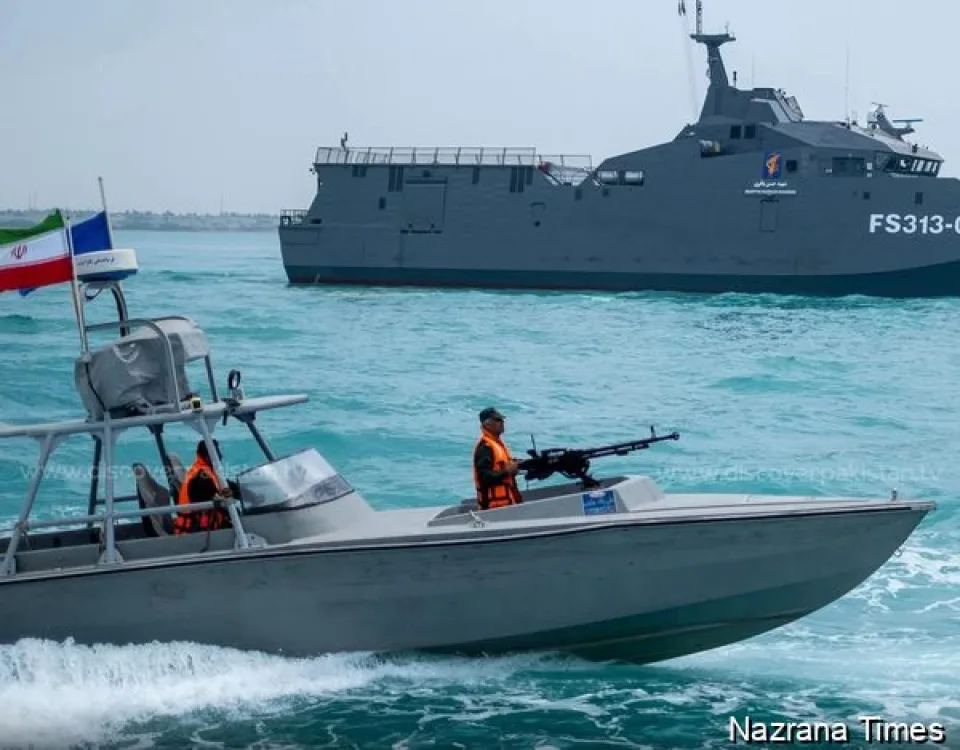
Pakistan’s Diplomatic Masterstroke: 22 Iranian Sailors Freed from US-Captured Ship as Islamabad Walks Tightrope Between Washington and Tehran
Nazrana Times
In a high-stakes diplomatic manoeuvre, Pakistan today secured the release of 22 Iranian crew members from the American-seized container vessel MV Touska a quiet triumph that underscores Islamabad’s unique position as the only mediator both superpowers still trust.
The sailors, held aboard the ship since its capture by US Navy forces on April 19, were flown to Islamabad overnight. Official sources confirmed they will be handed over to Iranian authorities later today, bringing an end to their two-week ordeal.
Foreign Office spokesperson Tahir Andrabi called the transfer “a positive step extended by the United States,” adding that Pakistan is actively coordinating the process with both sides. The MV Touska itself, sources say, will be backloaded to Pakistani waters for repairs before being returned to its original owners.
Six additional individuals identified by Iranian state media as family members of some crew were transferred to another regional country last week, raising the total number of released persons to 28.
A Crisis Brewing in the Strait
The vessel, an Iranian-flagged container ship under US and international sanctions since 2018, was intercepted by the US Navy on April 19 in the Gulf of Oman. According to US Central Command, the ship ignored multiple warnings while attempting to pass through the Strait of Hormuz in violation of a US naval blockade imposed on Iranian ports since April 13. A guided-missile destroyer disabled the ship before US Marines boarded it. Washington also alleged the vessel was carrying dual-use materials.
Iran decried the seizure as piracy and a violation of international law, briefly walking out of Pakistan-brokered peace talks in Islamabad.
Pakistan’s Tightrope Walk
Deputy Prime Minister and Foreign Minister Ishaq Dar spoke directly with his Iranian counterpart Seyed Abbas Araghchi on the eve of the transfer, reaffirming Islamabad’s commitment to dialogue. For a government often caught between ally Washington and neighbour Tehran, the crew release represents a rare moment of convergent interests.
But the calm is fragile.
Guns and Diplomacy
Hours before the transfer, Iran’s armed forces warned they would attack any US forces attempting to enter the Strait of Hormuz. The threat came after President Donald Trump announced “Project Freedom” a major US naval operation to guide stranded commercial ships out of the waterway.
“Iran maintains full control over the security of the strait,” said Ali Abdollahi, commander of Iran’s Khatam al-Anbiya Central Headquarters. “Any US intervention will be considered a violation of the ceasefire.”
Washington has deployed 15,000 personnel, over 100 aircraft, guided-missile destroyers and drones for the operation. Admiral Brad Cooper called it “defensive and essential” for regional security and the global economy.
Human Toll
The standoff has left some 20,000 mariners and 2,000 ships stranded in the Persian Gulf for over two months. With 20% of global oil and gas supplies normally transiting the strait, energy prices have surged — adding political heat on the Trump administration.
What Next?
Iran has submitted a 14-point peace proposal to Washington, demanding US withdrawal from the region, lifting of the blockade, release of frozen assets and an end to hostilities. Tehran is reviewing the American response. President Trump called the talks “very positive,” though Washington insists on strict limits to Iran’s nuclear programme a condition Tehran has rejected.
For now, Pakistan continues to play the mediator. Whether that role can prevent the spark from becoming a fireball remains the Strait’s most urgent question.






Leave a Reply