
Over 1.4 Million Affected in Punjab Floods; PM and CM Oversee Rescue Efforts
- Internationl
- (Asia/Kolkata)
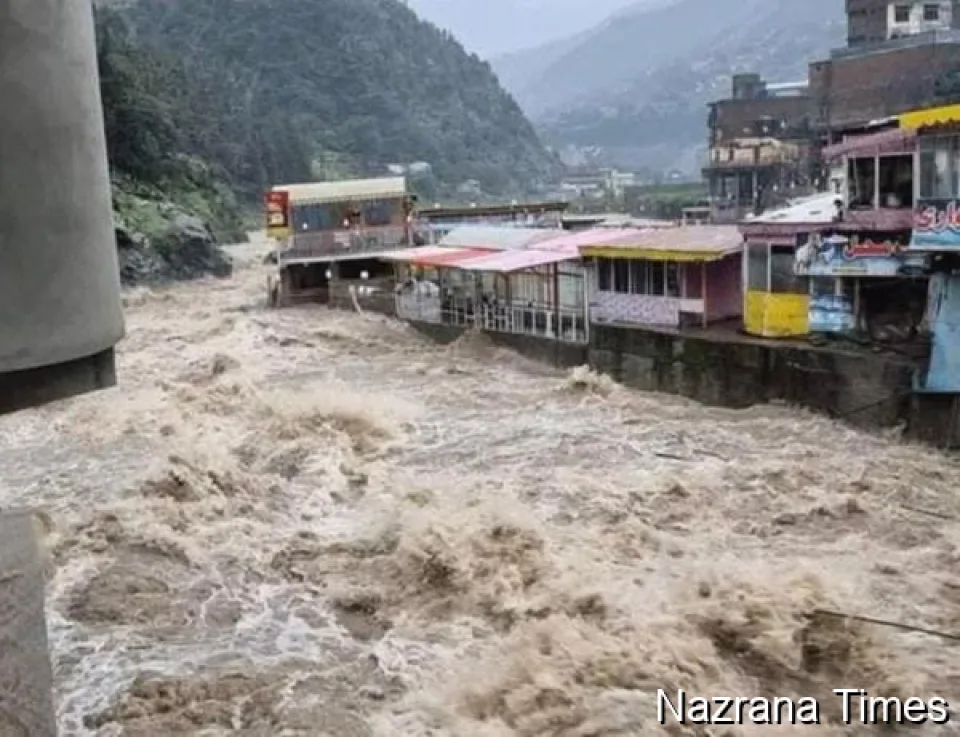
Punjab Faces Worst Floods in 40 Years; Lahore at Risk as Rivers Overflow
Lahore, Ali Imran Chattha
Punjab is facing its most devastating flooding in over 40 years as relentless monsoon rains combined with sudden water releases from Indian dams have submerged entire districts. Over 1.46 million people across 1,692 villages are affected, with vast tracts of farmland inundated and critical infrastructure collapsing under the strain.
Humanitarian and Economic Toll Rising
At least 17 people have lost their lives—with local estimates closer to 25 in the past 24 hours. The Gujranwala division has been among the hardest hit, recording several drownings. Economic damage is equally alarming, with millions of acres of crops destroyed, jeopardizing Pakistan’s food security. Thousands of homes, bridges, and key roads have also been swept away.

Lahore Braces for Ravi Flood Threat
The Ravi River overflowed on August 28, inundating low-lying areas such as Mohlanwal, Badami Bagh, and Aziz Colony. At Shahdara, the river surged to 219,770 cusecs, classified as “exceptionally high.” Evacuations of nearly 2,000 residents, alongside 18 relief camps, have so far averted casualties. Safe City Authority drones are being used to rescue stranded families and livestock, though neighborhoods such as Qaiser Town remain at high risk.
Critical River Levels in Punjab
Ravi River: Shahdara 211,000 cusecs (exceptionally high); Head Balloki 114,110 cusecs (rising)
Chenab River: Flooding in 991 villages; Khanki 966,427 cusecs (falling); Qadirabad 1,054,883 cusecs (critical)
Sutlej River: Ganda Singh Wala 261,053 cusecs (exceptionally high)
Indus River: Low flood level

Relief Operations in Full Swing
Punjab authorities, aided by the Pakistan Army, are conducting one of the largest rescue operations in decades:
265,000 people and 154,980 cattle evacuated
355 relief camps operational; 6,656 patients treated in medical camps
72 veterinary camps protecting livestock
The Army is deployed in eight districts, including Lahore, Sialkot, and Narowal. On August 28, Prime Minister Shehbaz Sharif and Chief Minister Maryam Nawaz conducted an aerial survey. The government has announced Rs 1 million compensation for each victim’s family.
Causes and Mounting Criticism
Officials accuse India of exacerbating the crisis by releasing water from dams without adequate warning, possibly violating the Indus Waters Treaty. Experts, however, point to deeper issues such as climate change, urban encroachment, deforestation, and weak flood defenses. Citizens and analysts have criticized the government for being reactive rather than proactive.
Cultural and Broader Impacts
Agriculture: Punjab’s agrarian economy faces a crippling setback.
Connectivity: Roads and bridges, particularly in Narowal, remain damaged.
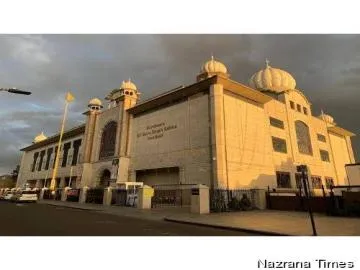
Heritage: The sacred Gurdwara Darbar Sahib, Kartarpur was flooded; 150 pilgrims were safely evacuated. The Pakistan Army has pledged full restoration of the site.
The Road Ahead
Meteorologists warn of a ninth monsoon spell until September 2, heightening flood risks in Lahore, Rawalpindi, and Gujranwala. PM Shehbaz has called an emergency meeting to draft a climate resilience strategy, emphasizing the urgent need for new water reservoirs.
Punjab’s worst floods in 40 years stand as a grim reminder of the region’s vulnerability to climate change and water disputes—and the urgent necessity for sustainable defenses.






Leave a Reply