
Fourth International Punjabi Conference Opens in Lahore With Delegates From Nine Countries
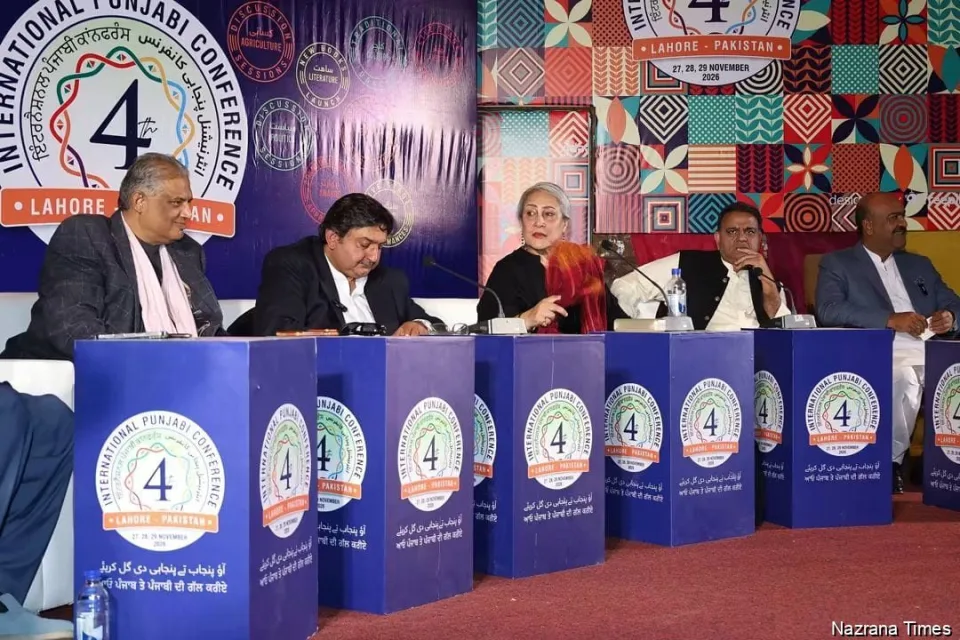
LAHORE (Ali Imran Chattha, Nazrana Times): The fourth International Punjabi Conference opened on Friday at the Punjab Institute of Language, Art and Culture (PILAC) at Qaddafi Stadium, Lahore. It brought together thousands of participants from across Pakistan and more than 50 international delegates representing nine countries. The three-day conference runs from November 27 to 29, with 72 sessions and 116 speakers on the programme.
Punjabi Parachar, Punjabi Lehar and PILAC jointly organised the conference to promote Punjabi language, literature, culture and folk heritage through academic discussions, political dialogue, literary sessions and cultural activities. Writers, poets, researchers, academics, political figures, journalists, artists, cultural activists and Punjabi-language enthusiasts from Pakistan and abroad are taking part.
Among the prominent participants were Punjab Assembly Speaker Malik Muhammad Ahmad Khan; political leaders Nadeem Afzal Chan, Fawad Chaudhry and Chaudhry Manzoor; senior journalist and analyst Sohail Warraich; PILAC Director General Aslam Shahid; and Punjabi poet Baba Najmi.
Punjab Assembly Speaker Calls for Punjabi in Government
Speaking at a session on Punjab’s political identity, language and current challenges, Malik Muhammad Ahmad Khan described Punjabi as the language of ordinary people. He said giving it official status would help citizens understand how the government works and communicate their concerns. He questioned why a language spoken so widely had yet to find an adequate place in official business and public administration.
The speaker discussed the historical ties between Punjab, its language and political developments in the subcontinent, saying Partition had placed a considerable burden on the region. He said debate over the creation of new provinces should focus on what such administrative changes would achieve and whether they would serve the people.
He also raised concerns about the exploitation of national resources, including water and minerals, and discussed issues related to taxation and education. He called for reforms to strengthen governance and protect the country’s interests, including changes to the bureaucracy. He said Pakistan could not afford further wars or instability and urged political and institutional leaders to prioritise national stability and public welfare.
Fawad Chaudhry, Nadeem Afzal Chan, Chaudhry Manzoor and Sohail Warraich also spoke at the session. They discussed Punjab’s political and cultural identity, language, provincial issues, governance and the wider political landscape.
PILAC Highlights Efforts to Promote Punjabi
PILAC Director General Aslam Shahid welcomed guests, international delegates and other participants. He outlined the institute’s work to promote Punjabi language, literature, culture and heritage, stressing the importance of preserving the mother tongue, supporting literary and cultural activities and connecting younger generations with their linguistic and cultural roots.
The organisers said the conference provides a forum for exchanging ideas, building cultural ties and discussing the challenges facing Punjabi and how the language can develop.
72 Sessions and 116 Speakers Across Nine Themes
According to the conference programme, 116 speakers will take part in 72 sessions spanning nine thematic areas. Topics include Punjabi language and literature, history, cultural heritage, political identity, mother-tongue education, the role of universities, agriculture, environmental challenges, artificial intelligence, youth issues, economic development and the promotion of Punjabi worldwide.
Education sessions will examine teaching in the mother tongue, the role of educational institutions and universities in promoting Punjabi, academic research, curriculum development and ways to encourage younger generations to use the language.
Participants will also discuss how digital platforms, social media and emerging technologies, including artificial intelligence, can help preserve Punjabi literature and introduce it to a wider international audience.
Agriculture, the Environment and Youth Employment
Sessions on agriculture and rural development will cover farmers’ concerns, climate change, agricultural technology, productivity, ways to add value to farm produce and opportunities for agricultural tourism. Experts are expected to examine the challenges facing Punjab’s agricultural economy and suggest ways to improve farmers’ livelihoods, encourage sustainable practices and protect natural resources.
Youth sessions will address identity, employment, economic challenges and changing social trends, as well as the importance of maintaining ties with Punjabi language and culture.
Poetry, Research Papers and Book Launches
Poets, writers and researchers presented Punjabi poetry, academic papers and other literary work during the opening proceedings, drawing an appreciative response from the audience.
Literary sessions will cover Punjabi poetry, prose, folk literature, Sufi thought, historical traditions and contemporary writing. The programme also includes book launches, research discussions, poetry gatherings and sessions on Punjab’s history, heritage and literary traditions. The organisers aim to give researchers, writers and scholars opportunities to exchange ideas and advance Punjabi literature and academic research.
Theatre, Folk Music and Youth Competitions
The academic sessions are accompanied by theatre, music, folk art and cultural performances showcasing different aspects of Punjabi heritage. The programme includes performances by Arif Lohar, Abrar-ul-Haq and other Punjabi artists. Plays inspired by the lives and contributions of Baba Bulleh Shah and Banda Singh Bahadur are also scheduled.
Activities for young people include poetry, singing and speech competitions, short films, social media reels and creative projects using modern technology.
International Delegates and 16 Awards
The more than 50 international delegates from nine countries include writers, academics, researchers, artists and representatives of Punjabi communities and cultural organisations. The organisers have also invited prominent international figures and representatives of Punjabi-speaking communities.
Special discussions will examine Punjabi’s international presence, the role of diaspora communities in preserving the language, cultural identity among younger generations abroad and opportunities for cooperation among Punjabi cultural organisations in different countries.
The programme includes 16 awards in eight categories for individuals from Pakistan and abroad who have contributed to promoting and preserving Punjabi language, literature, culture, arts and heritage.
The conference brings political, academic, literary and cultural perspectives to discussions about Punjab’s future. It aims to encourage research and cultural exchange, connect younger generations with their mother tongue and raise awareness of Punjab’s historical and cultural identity in Pakistan and abroad. Literary discussions, political dialogues, academic sessions and cultural performances will continue at PILAC, Qaddafi Stadium, until November 29.
ਲਾਹੌਰ ’ਚ ਚੌਥੀ ਕੌਮਾਂਤਰੀ ਪੰਜਾਬੀ ਕਾਨਫਰੰਸ ਸ਼ੁਰੂ, ਨੌਂ ਮੁਲਕਾਂ ਤੋਂ 50 ਤੋਂ ਵੱਧ ਵਿਦੇਸ਼ੀ ਨੁਮਾਇੰਦੇ ਸ਼ਾਮਲ




Leave a Reply